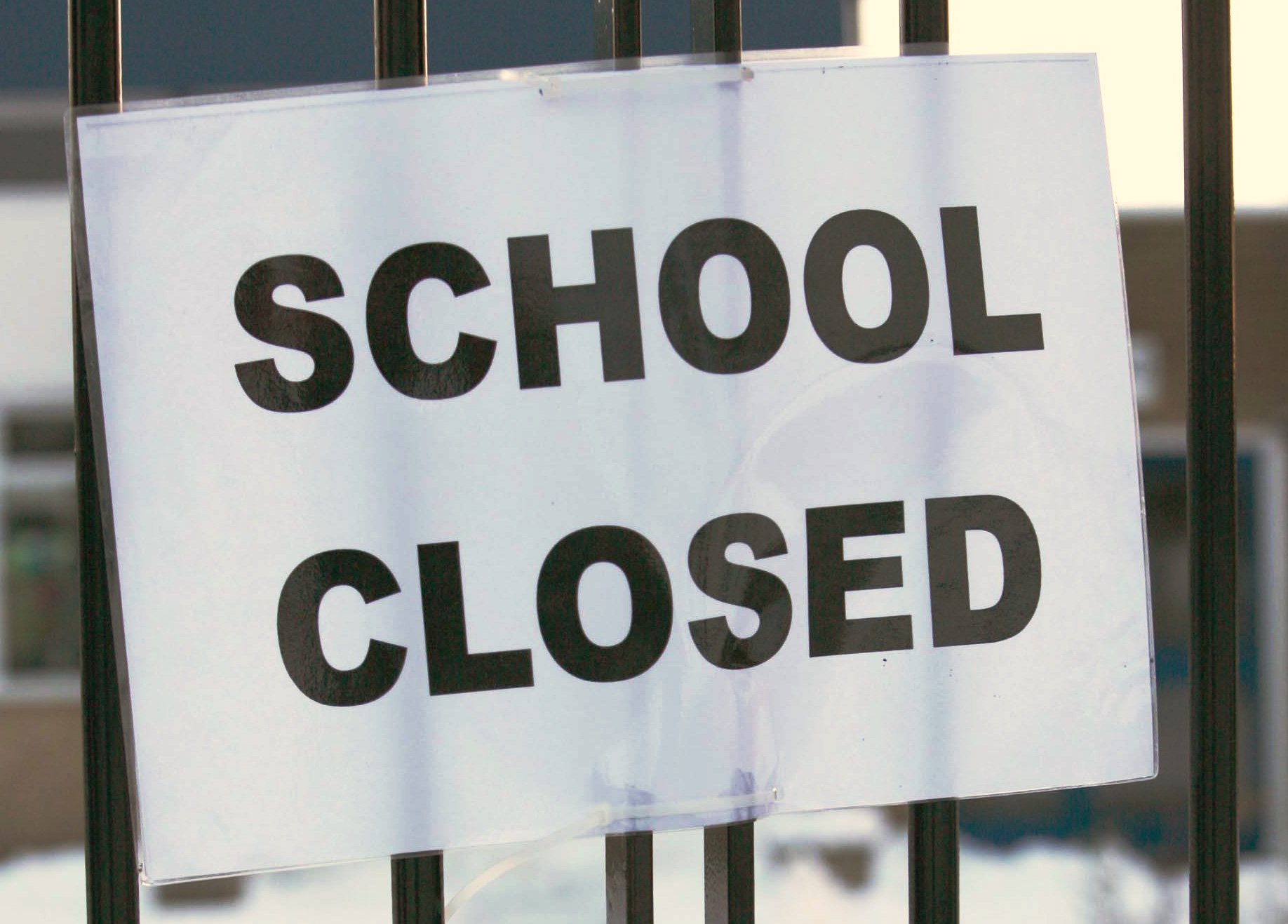
Schools Closed Tomorrow: What You Need To Know - Tools like Zoom, Microsoft Teams, and Google Meet facilitate virtual classrooms, allowing teachers to continue instruction remotely. In this comprehensive guide, we will explore the various factors that lead to schools being closed tomorrow, how parents and students can stay updated, and practical tips for managing unexpected disruptions. Let's dive in!
Tools like Zoom, Microsoft Teams, and Google Meet facilitate virtual classrooms, allowing teachers to continue instruction remotely.
For students, the disruption of their daily routine can lead to confusion and anxiety. Parents may also face challenges in arranging alternative childcare or adjusting work schedules.
Communities can come together to support one another during closures. Here are some ways:
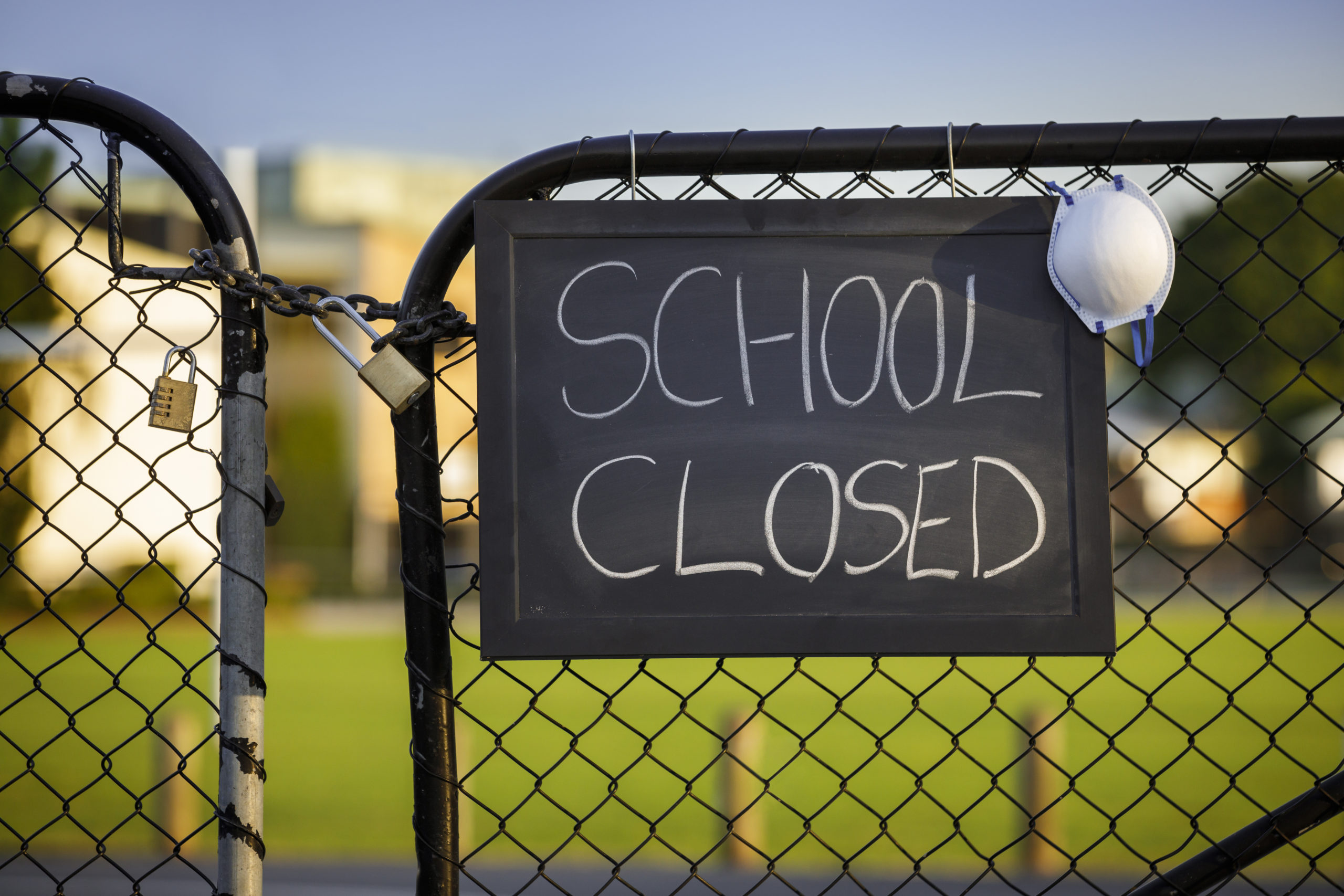
During closures due to health concerns, maintaining good hygiene practices is crucial. The World Health Organization (WHO) recommends:
Being prepared for unexpected closures can ease the transition. Here are some tips:
Continuing education during closures is essential. Here's how you can support your child's learning:
Share educational resources, such as books or learning materials, with families who may not have access to them.
We invite you to share your thoughts and experiences in the comments section below. Additionally, feel free to explore other articles on our site for more tips and insights on education and family planning. Together, we can navigate the challenges posed by school closures and emerge stronger.
In conclusion, understanding why schools close tomorrow and how to prepare for such events is essential for maintaining stability in both educational and family environments. By staying informed, creating backup plans, and leveraging technology, you can ensure that disruptions are minimized.
Outbreaks of contagious diseases, such as the flu or more severe pandemics, may necessitate temporary school closures to prevent the spread of illness. According to the Centers for Disease Control and Prevention (CDC), timely closures can help reduce transmission rates.
E-books, educational apps, and interactive websites provide students with access to a wealth of information, even when schools are closed.
Staying informed is key to preparing for school closures. Here are some reliable sources: